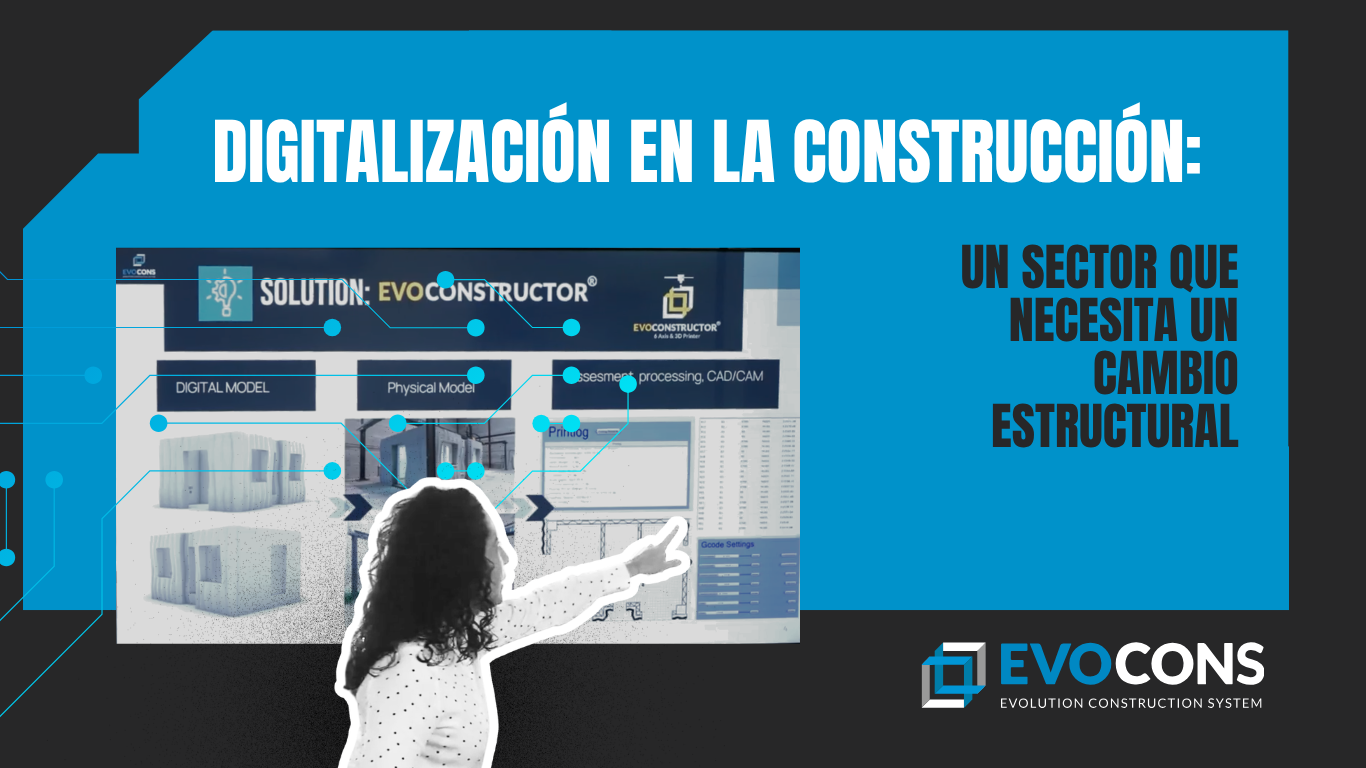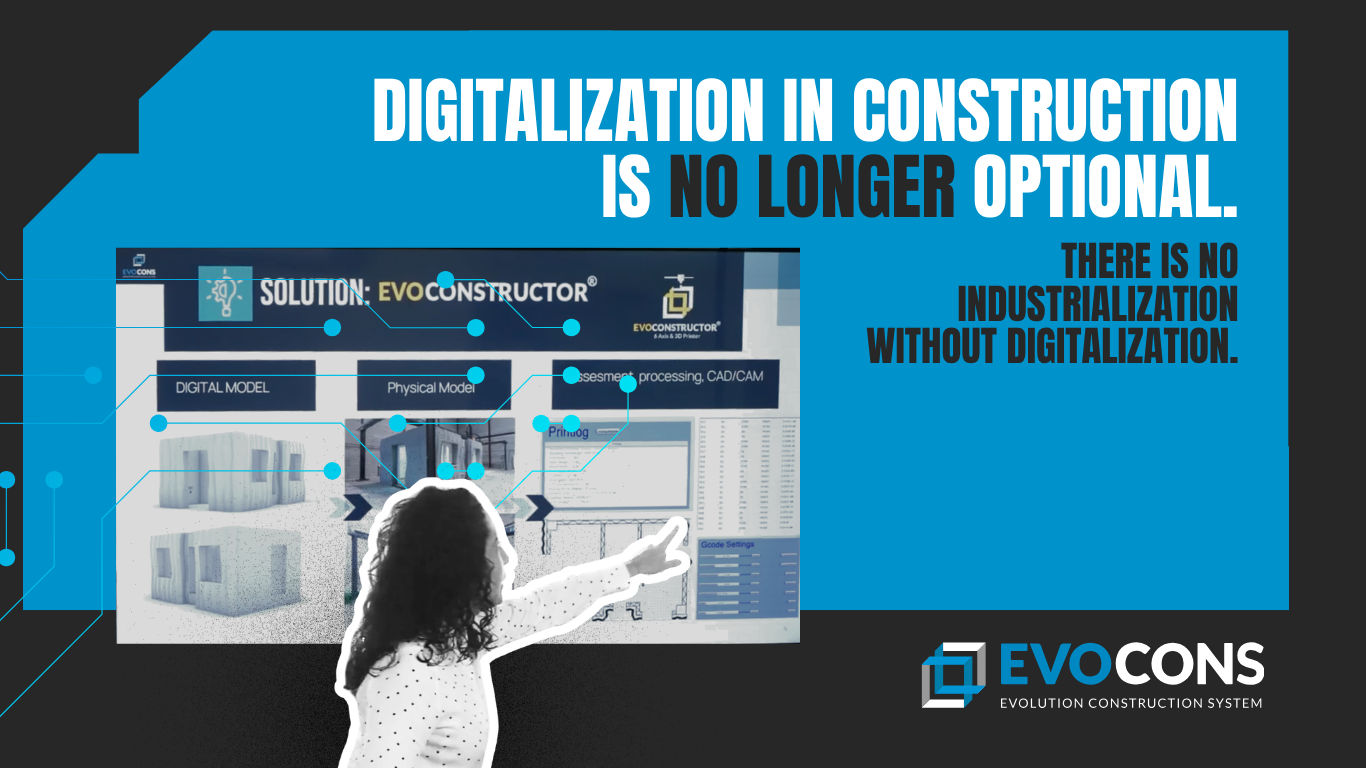
Digitalization in Construction: The Key Change Transforming the Sector in the Canary Islands Over the Last Four Years
Digitalization in construction has become the main driver of transformation in the Canary Islands’ construction sector over the past four years.
In a relatively short time, the industry has moved from cautiously discussing digital tools to understanding that industrialization is impossible without a solid, transversal digital foundation.
This transformation has been the result of collective initiatives, institutional support, and the commitment of companies that have experienced the process from the inside, contributing technical expertise, real projects, and practical knowledge.
The Construction Sector Digitalization Plan, promoted by AECP and supported by ACIISI, has played a central role in this transformation, becoming a reference not only at the regional level but also nationally.
Its evolution between 2022 and 2025 shows how a traditionally conservative sector can move forward when there is a clear strategy, continuity, and active participation from industry stakeholders.
Why Digitalization in Construction Is Essential for Industrialization
Digitalization has become one of the main forces transforming the global construction industry.
Technologies such as BIM, automation, sensors, robotics, and collaborative digital platforms are reshaping processes that have traditionally relied on manual coordination and fragmented workflows.
Without a digital layer connecting design, planning, and on-site execution, true construction industrialization cannot occur.
Digitalization enables the industry to:
- integrate data across every phase of a project
- improve planning and project management
- optimize materials and resources
- increase efficiency and productivity
For this reason, more companies are recognizing that industrializing construction begins with digitalizing it.
2022: The Diagnosis That Revealed the Digital Gap
The transformation began with a comprehensive assessment that highlighted the digital gap within the construction sector in the Canary Islands.
This diagnosis not only identified technological shortcomings but also generated collective awareness about the need for change.
For the first time, digitalization was no longer perceived as an abstract concept but as an urgent requirement for the sector’s competitiveness and future development.
At EVOCONS, this stage was experienced from within the process. The findings reinforced the idea that transformation required more than new tools; it required rethinking workflows, roles, and production models.
Innovation, in this context, meant redefining how construction projects are organized and executed.
2023: Digitalization Enters the Industry’s Daily Conversation
During 2023, digitalization stopped being a niche topic and became part of the daily conversation across the construction industry.
Concepts such as:
- BIM
- automation
- sensor technology
- collaborative digital platforms
began appearing frequently in discussions among contractors, engineers, and public institutions.
Digitalization started to be understood as a process connecting technical offices and construction sites, allowing information to flow between design, planning, and execution.
During this stage, EVOCONS contributed practical experience through the presentation of a pilot house project, demonstrating that digitalization is not an end in itself but an enabler of efficiency, safety, and construction quality.
2024: The Digital HUB and Proof That Another Construction Model Is Possible
The creation of the Construction Digital HUB marked an important milestone in the sector’s transformation.
For the first time, companies had a space where they could see digital technologies applied directly to construction projects.
During this phase, EVOCONS facilitated visits to the 3D Construction Project developed with ECOAGA, the result of a public-private collaboration involving the Municipality of Agüimes, the Arinaga Industrial Estate Conservation Entity (ECOAGA), and the company.
This project demonstrated that on-site construction industrialization, supported by Construction 5.0 technologies and robotics, is already possible when a robust digital layer connects the entire construction process.
2025: When Digitalization in Construction Becomes Mandatory
By 2025, the conversation within the sector had shifted.
The key question was no longer whether construction should be digitalized, but how to accelerate industrialization through digital technologies.
The industry has increasingly recognized that industrialization cannot exist without data, automation, and digital integration.
Digitalization allows construction to adopt concepts traditionally associated with manufacturing:
- process control
- precision in execution
- data traceability
- continuous improvement through real-time information
As a result, data is becoming a fundamental tool for improving productivity, reducing errors, and increasing overall efficiency in construction projects.
The Importance of Initiatives Like the Digitalization Plan
The impact of this initiative goes far beyond the adoption of new technologies.
It has helped create:
- a cultural shift across the sector
- a shared language between companies and institutions
- a collaborative ecosystem for knowledge exchange
The experience in the Canary Islands demonstrates that digitalization is the foundation upon which industrialization, sustainability, and long-term competitiveness are built.
A Contribution Based on Real Experience
EVOCONS has participated actively in this transformation from the beginning, contributing real-world evidence and practical demonstrations of how digital technologies can be integrated into construction processes.
The goal has been to show that a different way of building is possible, but that such transformation only becomes sustainable when digitalization is integrated into every phase of the construction process, not only in the design office.
Conclusion: A Sector That Has Already Changed
The journey between 2022 and 2025 demonstrates that transformation is possible when vision, collaboration, and continuity exist.
The Canary Islands have moved from cautiously discussing digitalization to becoming a national reference in construction innovation.
From the perspective of EVOCONS, one conclusion becomes clear. Construction industrialization will either be digital or it will not happen at all.
In the coming years, construction sites will increasingly include technologies such as:
- 3D printing systems
- robotic construction tools
- drones for inspection
- digital visualization tools and 3D models
Organizations that understand that digitalization of the construction process is the path toward industrialization will be the ones leading the sector’s future.
If you are considering industrializing your construction processes and accelerating digital transformation, it is essential to do it with the right expertise and technological foundation.
At EVOCONS, we support companies and institutions in integrating digitalization, automation, and robotics technologies into their construction projects.
Discover how we can help you advance toward a more digital and industrialized construction model.